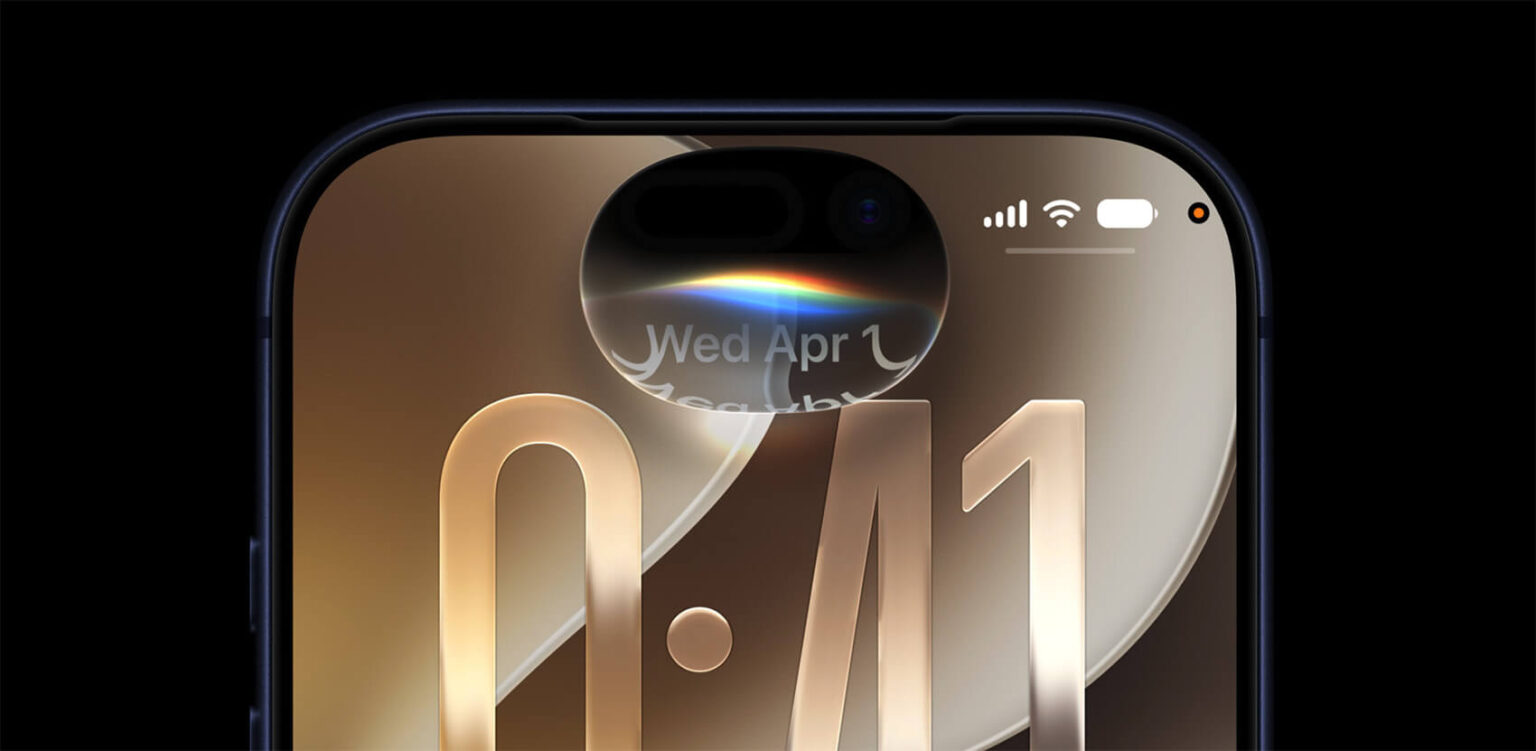
The new Siri was one of the biggest announcements at WWDC 2026. Powered by Apple Intelligence, the assistant can now understand personal information, analyze content displayed on the screen, and perform complex tasks across multiple apps.
But not everyone will get access to those capabilities.
Apple has confirmed that the new Siri will not be available on iPhones and iPads in the European Union when iOS 27 launches. More notably, the company says there is currently no timeline for bringing the feature set to the region.
The situation raises a possibility that would have seemed unthinkable just a few years ago: some of Siri’s most advanced capabilities may never reach European users.
The dispute centers on European regulations
According to Apple, the issue stems from the European Union’s Digital Markets Act (DMA), a regulatory framework designed to increase competition among major technology companies.
The law requires platforms designated as market gatekeepers to provide greater interoperability with competing services.
In practice, that means companies such as Apple, Google, and Meta must open certain parts of their ecosystems so third-party products can compete on more equal terms.
Apple argues that some of those requirements conflict with the way the new Siri has been designed.
The company says the assistant was built to securely access personal information, including messages, emails, photos, files, and other data stored on a user’s device.
According to Apple, certain interpretations of the DMA could require the company to provide similar levels of access to third-party virtual assistants.
Apple believes that doing so could compromise user privacy and security.
Apple says it tried to find a compromise
Apple reportedly began discussions with European regulators in late 2025, when it first started outlining how the new Apple Intelligence-powered Siri would work.
The company proposed a framework known as the Trusted System Agent.
The idea would have allowed third-party assistants to access the same capabilities available to Siri AI, while operating within an Apple-controlled environment governed by the company’s privacy and security protections.
According to Apple, this approach would have satisfied the interoperability requirements of the DMA without exposing sensitive user data.
European regulators, however, reportedly rejected the proposal.
The disagreement is ultimately about user data
Apple says the current interpretation of European rules would require competitors to receive much broader access to the information used by AI-powered features.
The company is concerned that third-party applications could use their own AI models to access content such as messages, emails, calendar events, photos, and other personal information stored on users’ devices.
Apple argues that, without additional safeguards, such access could create significant privacy risks.
As a result, the company has chosen to directly challenge the regulators’ position rather than implement the feature under the current requirements.
Apple admits it has no solution right now
Perhaps the most surprising aspect of the situation is that Apple says it currently has no viable path to launch the new Siri in the European Union.
Reports suggest that no specific development effort is currently underway to adapt the system to regulators’ existing requirements.
That means Siri’s absence at the launch of iOS 27 may not simply be a temporary delay.
At this point, Apple says it does not know when or how the technology will become available to European users. The standoff could last for months, and there is currently no official roadmap toward a resolution.
Apple is not the only company facing challenges
Apple is also far from alone in dealing with the consequences of Europe’s new digital regulations.
Google has reportedly faced similar questions regarding Gemini and has also expressed concerns about how the DMA could affect its AI products.
The difference is that Google has generally chosen to launch new AI features while discussions with regulators continue, whereas Apple has taken a more cautious approach.
That strategic difference helps explain why the new Siri will be missing from European iPhones and iPads for the foreseeable future, despite being one of Apple’s most important iOS 27 announcements.
Interestingly, Macs are not affected
One particularly notable detail is that the restriction primarily affects iPhones and iPads.
According to Apple, users in the European Union will still be able to access the new Siri on Macs and on the Vision Pro.
That is because the DMA’s interoperability requirements focus mainly on mobile platforms that regulators consider dominant in the marketplace.
As a result, the same Apple Intelligence technology could be available on some Apple products while remaining unavailable on others within the European Union.