With every new iPhone generation, Apple introduces a new chip and promises improvements in performance and power efficiency. In recent years, however, much of that progress has been gradual, with refinements to technologies that were already being used.
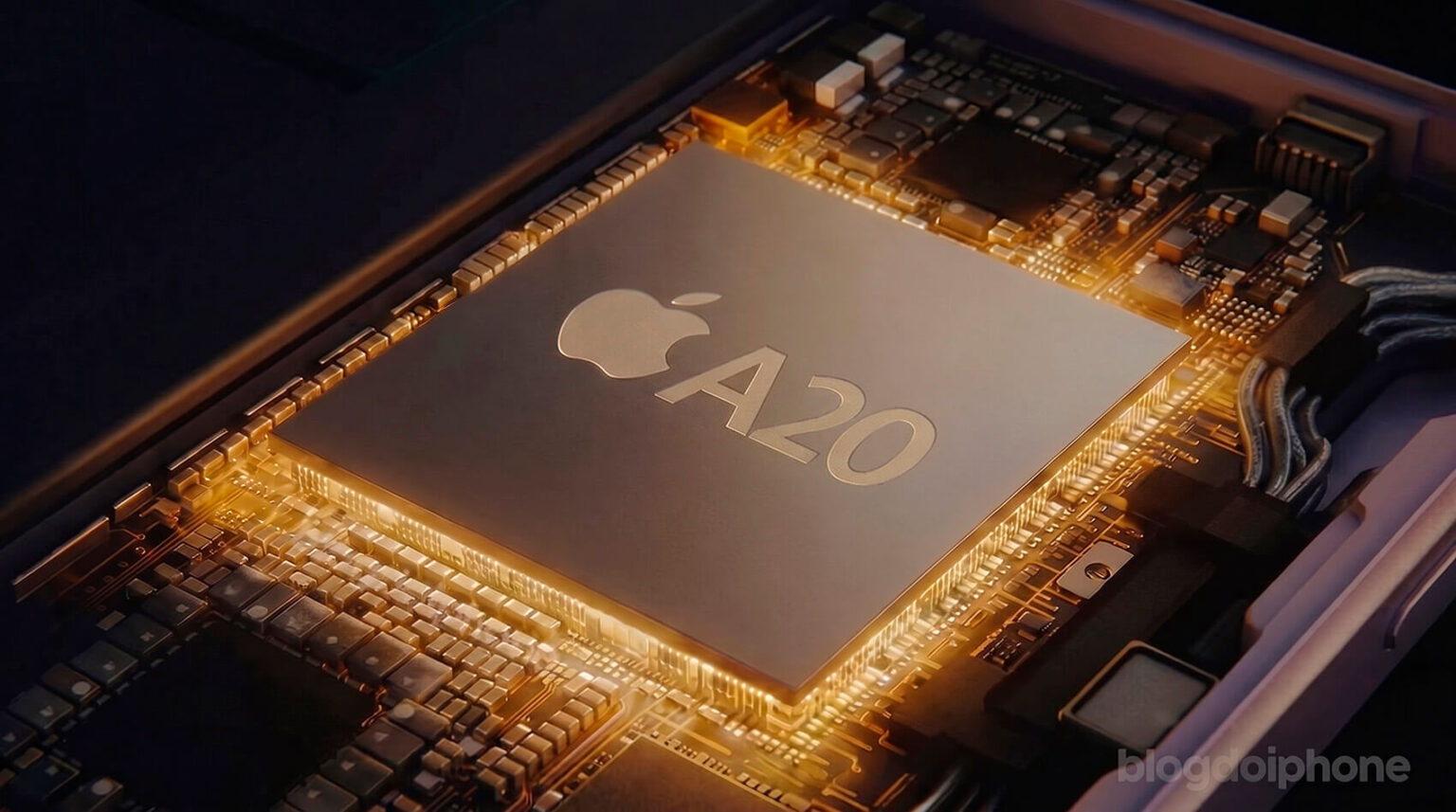
With the A20 Pro, expected to power the iPhone 18 Pro and iPhone 18 Pro Max, the story could be different.
The new processor is expected to be Apple’s first chip manufactured using TSMC’s 2-nanometer process, known as N2. More than simply reducing the number listed on a spec sheet, this change involves a new transistor architecture, greater component density, and a different way of integrating memory with the processor.
If the rumors are accurate, this could be one of the biggest internal changes to the iPhone in several years.


What does a 2nm chip actually mean?
When we talk about 3nm or 2nm chips, it’s easy to assume those numbers literally represent the size of the transistors. Today, that’s no longer quite true.
The names used by the industry now mainly identify different generations of manufacturing processes.
Even so, moving from one generation to the next generally makes it possible to increase transistor density and improve the balance between performance and power consumption.
The A17 Pro, used in the iPhone 15 Pro, marked Apple’s debut at 3nm. The A18 Pro and A19 Pro continued evolving within that same manufacturing generation.
The A20 Pro is expected to finally make the next leap by moving to TSMC’s N2 process.
TSMC itself has confirmed that high-volume production of its 2nm technology began in the fourth quarter of 2025.
That puts the technology in exactly the right timeframe to be used in the new Pro iPhones arriving in 2026.
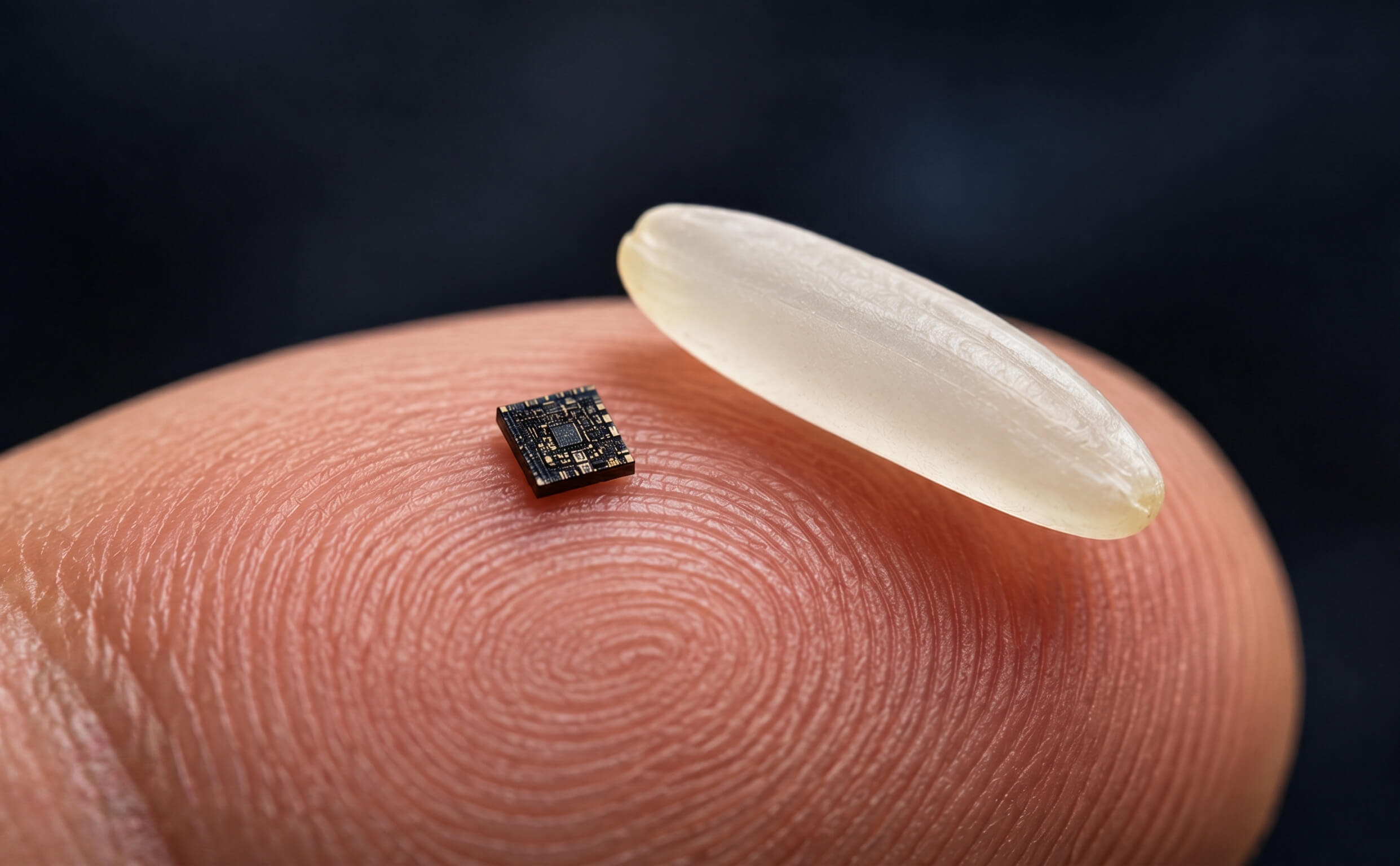
The biggest change is inside the transistor
Perhaps the most interesting part of the 2nm process isn’t simply how many transistors can fit inside a chip.
TSMC is changing the structure of the transistors themselves.
The 3nm processes currently used by Apple are based on FinFET transistors. With the N2 generation, TSMC is switching for the first time to so-called nanosheet transistors, an implementation of an architecture known as Gate All Around.
With this design, the transistor gate surrounds the channel much more completely, allowing for more precise control over the flow of current.
In practice, this helps reduce energy loss and allows the transistor to operate more efficiently.
For someone using an iPhone, none of this will obviously appear directly on the screen. But the effects could show up in much more noticeable ways, including battery life, heat, and performance during demanding tasks.
How much faster could the A20 Pro be?
TSMC estimates that its N2 process can deliver 10% to 15% more performance at the same power consumption compared with N3E.
There is another possibility as well: maintaining roughly the same performance while reducing power consumption by 25% to 30%.
The manufacturer also claims an increase of more than 15% in chip density compared with the N3E process.
That doesn’t mean the A20 Pro will automatically be 15% faster or use 30% less power than the A19 Pro.
Those figures describe the potential of the manufacturing process under specific conditions. Apple still gets to decide how to use that extra headroom in the processor’s design.
It could prioritize performance, energy efficiency, or, as is usually the case, try to strike a balance between the two.
Even so, those numbers help explain why the move to 2nm matters so much.
Battery life may be the biggest beneficiary
Whenever a new processor arrives, it’s natural to think about speed first.
But in a modern smartphone, power efficiency can be even more important.
A chip that can perform the same task while consuming less energy means the battery has to supply less power to get that work done.
That affects almost everything.
Web browsing, video playback, gaming, photo processing, high-resolution recording, GPS navigation, and artificial intelligence features all rely on the processor at some point.
Even small reductions in power consumption, accumulated over hours of use, can translate into a noticeable difference in battery life.
There is another important consequence too: less heat.
The more efficient a processor is, the less energy it tends to waste as heat. That could help the iPhone sustain high performance for longer before the system needs to slow things down to keep temperatures under control.
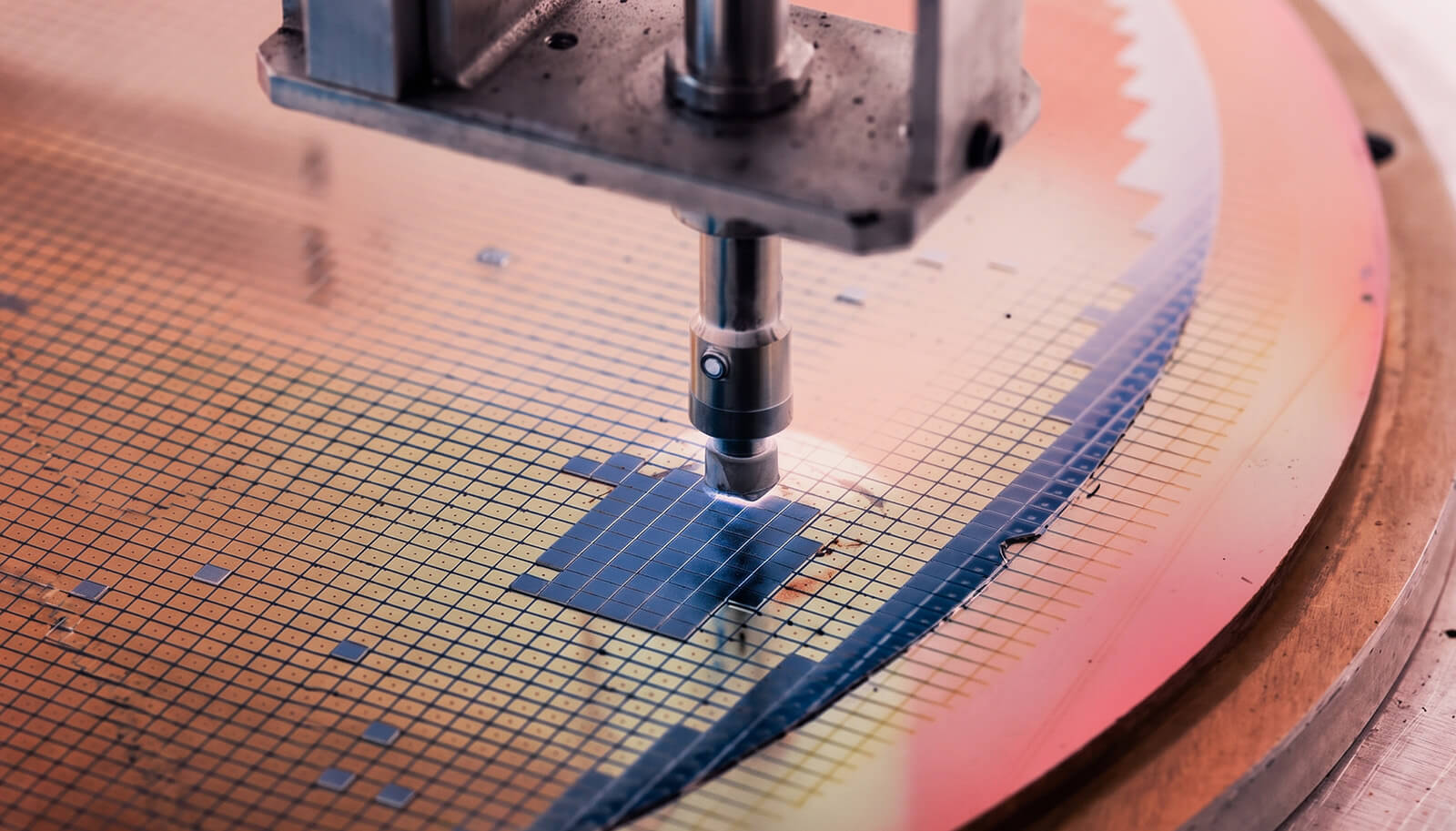
Apple could also change how memory and the processor work together
The 2nm process isn’t the only major change expected for the A20 Pro.
Rumors suggest Apple will adopt a new TSMC packaging technology called WMCM, short for Wafer Level Multi Chip Module.
Today, the processor and memory are separate components that need to communicate with each other.
With the new system, memory could be integrated much more closely with the package containing the CPU, GPU, and Neural Engine. That reduces the distance data needs to travel and could lower both latency and the amount of power required for that communication.
That detail could end up being just as important as the move to 2nm itself.
Besides improving efficiency, the new arrangement could also take up less space inside the device, something extremely valuable in a product where every millimeter of internal space matters.
And this is where artificial intelligence comes in.
There is another reason for this change to happen right now.
Smartphones are handling an increasing number of artificial intelligence tasks directly on the device.
That requires not only processing power, but also extremely fast communication between memory, the CPU, GPU, and Neural Engine.
An AI model running locally needs to move huge amounts of data in very short periods of time.
The farther the memory is from the processor, the greater the cost of moving that data can become in both time and energy.
The combination of the 2nm process and the new WMCM packaging could help address exactly that issue. Rumors surrounding the A20 Pro suggest the new architecture has been designed to improve performance in Apple Intelligence tasks while also reducing power consumption.
That could be particularly important for an Apple that wants to run more and more AI features directly on the iPhone without constantly relying on external servers.
Don’t expect the improvements to show up only in benchmark scores
This may be exactly where the A20 Pro differs from some previous generations.
The improvement doesn’t have to show up only as a chart saying the new iPhone is a few percentage points faster.
A more efficient processor gives Apple different ways to use those gains.
Some of it can go toward performance.
Some can become longer battery life.
Some can be used to sustain artificial intelligence workloads for longer periods.
And some can simply help the device run at more controlled temperatures.
For users, that kind of improvement is often far more meaningful than an isolated increase in benchmark scores.
The problem with 2nm is the price
All of this technology comes at a cost.
Manufacturing chips using increasingly advanced processes requires extremely expensive equipment and much more complex production lines.
Supply chain reports suggest that chips manufactured at 2nm could cost considerably more than today’s 3nm processors. Some estimates cited by the media point to an increase of at least 50% in chip manufacturing costs.
That is one reason why the technology is expected to be reserved initially for Apple’s more expensive models.
The latest rumors point to the 2nm A20 Pro being used in the iPhone 18 Pro, iPhone 18 Pro Max, and Apple’s long-awaited foldable iPhone.
The strategy would allow Apple to introduce an expensive new technology in higher-margin products before eventually bringing it to more affordable models.
A bigger leap than it may seem
It’s easy to look at the move from 3nm to 2nm and see it as simply the next natural step for the semiconductor industry.
But the A20 Pro could represent something bigger.
In addition to introducing a new manufacturing generation for Apple chips, it is expected to switch transistor architectures and adopt a new way of integrating memory and processing.
These are changes happening in a part of the iPhone nobody ever sees, yet they could affect almost everything we do with the device.
More performance, longer battery life, and faster artificial intelligence are some of the possibilities.
We’ll still have to wait for Apple’s official announcement to find out exactly how the A20 Pro will be configured and which improvements will make their way into the final product.
But if the current information is accurate, the iPhone 18 Pro chip won’t be just another annual update to Apple’s A-series.
It could mark the beginning of a new generation of processors for the iPhone.