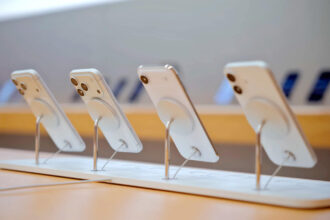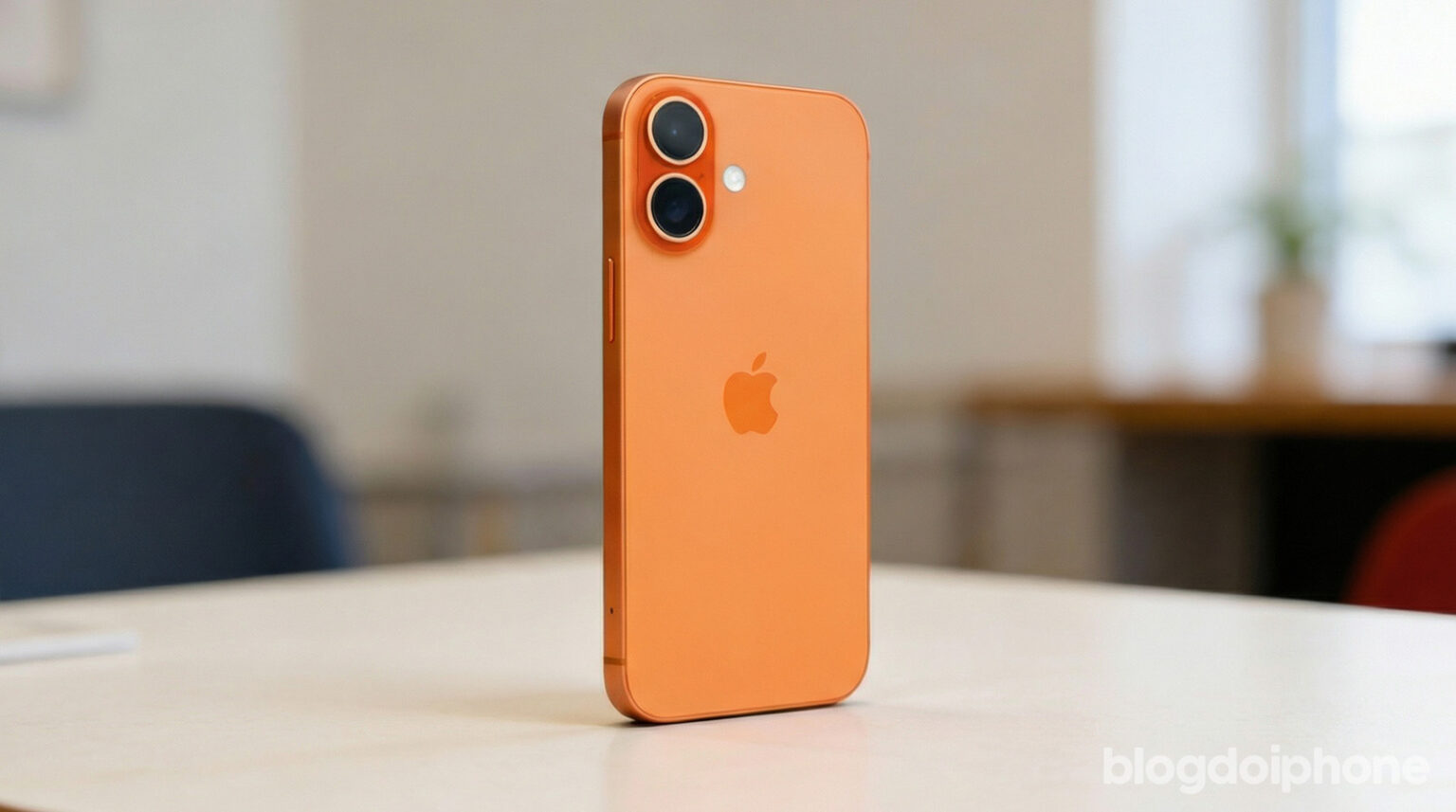
Everything suggests that 2026 could look very different from what Apple users are used to. The company may launch only the Pro versions and simply skip the standard iPhone 18 release, something that has never happened before.
The reason isn’t a lack of interest in the model, but rather a clear shift in priorities: Apple wants to focus its attention on its first foldable iPhone, a product that could mark the beginning of a new era for the lineup.
And this change in strategy helps explain why the traditional lineup could face an unprecedented delay.
The foldable has become the center of attention
Creating a foldable iPhone isn’t simply a matter of launching another model. It represents a major technical challenge involving new displays, new internal mechanisms, and much stricter quality control.
To make sure the product reaches the market at the standard users expect, Apple would need to devote a significant share of its engineers, testing resources, and production capacity to the project.
That makes it much harder to keep every traditional iPhone launch on the same schedule.
Another important factor is cost.
Components used in foldable devices, including flexible displays and hinge systems, are expensive and still have limited production capacity.
In that scenario, it makes sense for Apple to prioritize more expensive devices such as the iPhone Pro models, which generate more profit per unit sold.
The standard iPhone, which has traditionally served as the more affordable option, simply wouldn’t fit as neatly into that equation in 2026.
The release schedule could change
If this plan actually moves forward, the 2026 lineup could look incomplete to longtime iPhone buyers.
We would see new Pro models, the long-awaited iPhone Fold (a rumored name) taking center stage, and no standard iPhone 18 at all.
The more affordable model could instead arrive in the first half of 2027 alongside the iPhone 18e, allowing Apple to spread out its launches and keep attention on the iPhone lineup for a longer period.
What this means for iPhone buyers
In practice, this could mean that many people will hold on to their current iPhone for another year or end up buying a more expensive model than they originally planned.
It would also create a different situation for carriers and retailers, since the standard iPhone is typically one of the lineup’s biggest sellers by volume.
Even so, Apple appears willing to accept that impact to make sure its entry into the foldable smartphone market happens with as much control as possible.
That means the most affordable new iPhone we get in 2026 may end up being the iPhone 17e, which is expected in the coming weeks. After that, only the flagship models would arrive.
Is your wallet ready?